
The gaming blogs we examined do more than republish a server list players can browse. Finding trustworthy Minecraft server reviews can feel like hunting for diamonds in the dark, which is why we read WordPress gaming blogs that aim to help players compare server information. Useful guides explain their sources, distinguish opinion from verified details, and update factual information when a server changes.
A useful Minecraft guide should explain its criteria and link to the source material it relies on. Players still need to compare current server details such as game mode, rules, supported edition, and community fit rather than treating a blog post as a ranking guarantee.
They dig into uptime reliability, community management quality, mod compatibility, and whether a host’s customer support actually responds when your server crashes at midnight. We looked for blogs built on WordPress because the platform’s flexibility lets creators publish detailed, multimedia-rich reviews, comparison tables, and community feedback that static sites simply can’t match.
Useful blogs often share three traits: they disclose their testing methods, they update reviews when hosts change pricing or features, and they serve specific audiences rather than trying to be everything to everyone. Some cater to survival-mode purists hunting lag-free vanilla servers, others to modpack enthusiasts who need 8GB of RAM and DDoS protection, and a few focus exclusively on budget-conscious players looking for solid performance under ten dollars a month.
Throughout our evaluation, we prioritized blogs that treat server reviews as living documents. Minecraft hosting providers regularly adjust their plans, and in 2026, features like NVMe storage, AMD Ryzen 9 processors, and free trial periods have become table stakes. A review written six months ago might recommend a host whose support quality has since tanked or whose pricing structure has doubled.
This roundup will show you which WordPress gaming blogs have earned their spot in your bookmarks, and more importantly, why.
How We Evaluated It
We assessed each WordPress gaming blog in this roundup by examining its published Minecraft server reviews, update frequency, and transparency about evaluation criteria. Our review focused on how thoroughly each blog explains hosting provider features (such as RAM allocations, mod support, DDoS protection, and server locations), whether it discloses pricing and trial options, and how clearly it communicates performance benchmarks like player capacity estimates.
We prioritized blogs that ground their recommendations in specific, verifiable details rather than vague endorsements. For example, we looked for reviews that cite RAM-to-player-count guidelines, hardware specifications, and current pricing structures. We also evaluated each blog’s WordPress design for usability, mobile responsiveness, and navigability, since a well-structured site helps readers compare hosting options efficiently.
Our methodology did not involve running independent server tests or negotiating with hosting providers. Instead, we analyzed the content quality, depth, and consistency of each blog’s reviews, treating them as curated resources rather than lab-validated reports. We cross-referenced claims where possible and excluded blogs that lacked recent updates or transparent evaluation standards.
Why Trust This Evaluation
At Nine Spheres, we’ve built our expertise around WordPress design, user experience, and helping creators choose tools that genuinely serve their audiences. That foundation informs how we evaluate gaming blogs: we know what makes a WordPress site usable, trustworthy, and visually compelling, and we apply those standards to every blog featured in this roundup. Our selection process prioritizes transparency and practical value. We assessed each blog’s review methodology, the clarity of its hosting comparisons, the frequency of its updates, and the quality of its WordPress theme implementation, from mobile responsiveness to navigation structure and even image quality tips that enhance readability. We don’t accept sponsorships from hosting providers, and we’re not affiliated with any of the blogs or services discussed here. Our recommendations reflect independent research, grounded in verified facts about current pricing, features, and performance benchmarks, combined with our experience in what makes a resource genuinely helpful for readers navigating complex decisions.
Key Details to Know
WordPress gaming blogs reviewing Minecraft servers fill a critical gap: they curate and test hosting providers so you don’t have to wade through marketing claims alone. These blogs evaluate real-world performance, pricing, and support, then publish findings on their WordPress sites where design clarity and regular updates matter as much as the data itself. Understanding a few key details will help you extract maximum value from these reviews and choose a blog, and ultimately a server, that fits your needs.
- RAM allocation directly affects player capacity: A server with 4GB of RAM typically supports 10-15 concurrent players comfortably; budget accordingly if you’re planning a larger community.
- Pricing spans a wide range: Basic Minecraft hosting plans start around $5 per month, while advanced setups with mod support and DDoS protection can exceed $30 monthly.
- Free trials reduce risk: Some providers, such as FreakHosting, offer 2-day free trials so you can test performance and ease of use before committing.
- Multi-game support adds flexibility: Blogs that review hosting for Minecraft alongside ARK, Rust, and other titles help if you run or plan to run multiple game servers on one provider.
- Hardware transparency signals quality: Reviews that specify CPU models (AMD Ryzen 9), RAM type (DDR4), and storage (NVMe SSDs) give you confidence in the provider’s infrastructure.
- Affiliate disclosure matters: Trustworthy blogs disclose affiliate relationships upfront; if a review lacks transparency about how the site earns revenue, treat recommendations with caution.
Armed with these benchmarks, you can approach any WordPress gaming blog with a sharper eye for substance over hype, and distinguish genuine hands-on testing from rehashed marketing copy.
Pros and Cons
Using WordPress gaming blogs to find Minecraft server reviews offers a streamlined way to tap into expert-tested recommendations and community insights, but the approach comes with trade-offs worth understanding before you commit your time, or your hosting budget.
Pros
- Curated recommendations save you hours of comparing hosting providers on your own.
- Transparent testing criteria and hands-on reviews build trust in the guidance you receive.
- WordPress themes often deliver clean navigation and mobile-friendly design for easy scanning.
- Community engagement features like comments and forums provide real player feedback.
- Regular updates keep pricing, features, and hosting performance data current for 2026.
Cons
- Affiliate relationships can introduce bias, even when disclosed, affecting which hosts get featured.
- Not all blogs update frequently, so you risk acting on outdated pricing or discontinued features.
- Coverage depth varies widely; some blogs skim surface specs while others dig into mod support and DDoS protection.
- Beginner-focused blogs may lack the technical detail experienced server admins need for advanced setups.
The key is recognizing that WordPress gaming blogs function best as a starting point, not a final authority. Cross-reference their picks with your own priorities, whether that’s budget, player count, mod compatibility, or server location, and confirm current pricing and trial availability directly with the hosting provider before you sign up. The blogs in this roundup earned their spots by balancing transparency, update frequency, and practical detail, but your due diligence still matters.
Our Top Picks: Best WordPress Gaming Blogs for Minecraft Server Reviews
After reviewing dozens of WordPress-hosted gaming blogs, we picked out the ones that consistently publish reliable, up-to-date Minecraft server reviews for 2026. The Exalo Hosting Blog stands out for its thorough comparative analysis of hosting providers, breaking down server specifications, performance benchmarks, and feature sets with technical precision that helps experienced admins make data-driven choices. The HostingCharges Blog carved its niche by focusing on accessible entry points for budget-conscious players, highlighting providers that offer trial periods and transparent hardware specifications without the marketing fluff.
Each blog brings a distinct strength to the table. Where Exalo digs into RAM allocation and DDoS protection details, HostingCharges answers the practical question of what you can run on a tight budget. We found that reading both of these blogs gives you a clearer picture before committing to a hosting provider, whether you’re launching your first survival server or scaling up a modded community hub.
How We Evaluated These WordPress Gaming Blogs
We evaluated each WordPress gaming blog featured in this roundup against a rigorous set of criteria designed to separate genuinely useful review resources from promotional fluff. Our assessment focused on what matters most to Minecraft players who need trustworthy guidance when choosing server hosting: transparent methodology, current and accurate information, and a user experience that makes research straightforward rather than overwhelming.
Here’s how we assessed each blog:
- Review Depth and AccuracyWe examined whether each blog provides detailed coverage of hosting plans, features, and performance benchmarks, or relies on surface-level descriptions. Blogs that break down RAM allocations, player capacity estimates, and hardware specifications earned higher marks.
- Transparency About Testing and SourcesWe looked for clear disclosure of how the blog evaluates hosting providers: hands-on testing, aggregated user feedback, or partnerships with hosts. Blogs that acknowledge affiliate relationships or testing limitations demonstrated integrity.
- Frequency of UpdatesWe checked publication dates and content freshness to confirm the blog keeps pace with 2026 pricing, features, and provider changes. Stale recommendations undermine trust, so regular updates were essential.
- Community EngagementWe assessed whether the blog fosters interaction through comments, forums, or user-submitted reviews. Active community dialogue signals credibility and helps readers gauge real-world experiences.
- WordPress Design and UsabilityWe evaluated site navigation, mobile responsiveness, and visual clarity. A well-designed WordPress theme with intuitive filtering and scannable layouts makes research faster and less frustrating.
- Breadth of Minecraft Hosting CoverageWe considered how many providers each blog reviews, and whether it covers a range of budgets, feature sets, and use cases. Blogs that include budget options, mod-friendly setups, and performance data for varying player counts offered more practical value.
- Alignment with Gaming Community NeedsWe looked for evidence that the blog understands its audience: beginner-friendly explanations, advanced admin guides, or practical advice on DDoS protection and uptime. Blogs that spoke to real player concerns rather than generic hosting jargon stood out.
This framework allowed us to identify blogs that genuinely serve the Minecraft community rather than simply aggregate affiliate links. Each criterion reflects what we’ve found matters most when evaluating hosting decisions, and every blog in this roundup meets a high standard across these areas.
Why You Can Trust Our Recommendations
We’ve spent years evaluating WordPress themes and plugins for design, usability, and the way they serve real users, from small business owners to creative professionals building their first site. That same lens guides how we assess gaming blogs. We look at the WordPress foundation each blog is built on, how its theme and navigation serve readers, and whether the content lives up to its promise of helping you make informed hosting decisions.
We’re not affiliated with any Minecraft server hosting provider, and we don’t receive commission for recommending one blog over another. Our focus is on transparency, accuracy, and the quality of the review process itself. We check whether a blog discloses its methodology, updates its recommendations to reflect current pricing and features, and engages with its community in a meaningful way.
This roundup is designed to connect you with blogs that share our commitment to clarity and empowerment, so you can choose a Minecraft server with confidence.
At a Glance: WordPress Gaming Blogs Compared
The table below lays out the defining traits of each WordPress gaming blog we’ve featured, making it easy to compare their strengths and find the one that matches your needs, whether you’re after detailed hosting breakdowns or budget-friendly options.
| Blog Name | Primary Focus | Review Style | Update Frequency | Standout Feature | Best For |
|---|---|---|---|---|---|
| Exalo Hosting Blog | Minecraft only | Hands-on testing | Monthly | Data-driven hosting comparisons | Detail-oriented shoppers |
| HostingCharges Blog | Multi-game | Aggregated data | Bi-monthly | Free trial coverage, budget focus | Budget-conscious gamers |
Scan the table to pinpoint which blog aligns with your priorities, then dive into the full profiles to see what each one delivers in practice.
1. Exalo Hosting Blog, Best for In-Depth Hosting Comparisons in 2026

Exalo Hosting’s blog stands out as the most thorough resource we found for readers who want hard data and transparent methodology behind every hosting recommendation. The site runs on WordPress and delivers a comprehensive 2026 Minecraft server hosting comparison that digs into plans, features, and pricing across multiple providers. Instead of surface-level summaries, Exalo walks you through what each tier offers and why it matters to your server’s performance.
We appreciated the blog’s clear breakdown of entry-level and advanced hosting tiers. Basic plans start around $5 per month and typically cover small, vanilla servers. If you need mod support, DDoS protection, and higher player capacity, expect costs to climb toward $30 or more per month for advanced setups. Exalo doesn’t just list prices; the blog explains what drives those differences, server resources, security features, and technical support quality, so you understand exactly what you’re paying for.
The performance benchmarks are particularly useful. Exalo notes that a server with 4GB of RAM can comfortably handle 10 to 15 players, giving you a practical reference point when sizing your hosting plan. This kind of specificity helps you avoid overpaying for resources you won’t use or underprovisioning and facing lag.
Transparency is a hallmark of the blog. Exalo’s reviews detail how comparisons are made, which providers were tested, and what criteria matter most: uptime, latency, customer support responsiveness, and ease of server management. The site doesn’t hide affiliate relationships but balances them with objective analysis that puts reliability and community feedback front and center.
The WordPress design itself reinforces this user-first approach. Navigation is intuitive, with filtering by budget, player count, and feature set. The layout is clean, mobile-friendly, and free of clutter. Comparison tables sit above the fold, and each provider profile includes pros, cons, and a clear verdict.
If you’re the type of gamer who wants to see the full picture before committing to a hosting provider, Exalo Hosting’s blog is the best starting point. It delivers the depth and clarity needed to make confident, informed decisions in 2026.
2. HostingCharges Blog, Best for Budget-Conscious Gamers and Free Trials
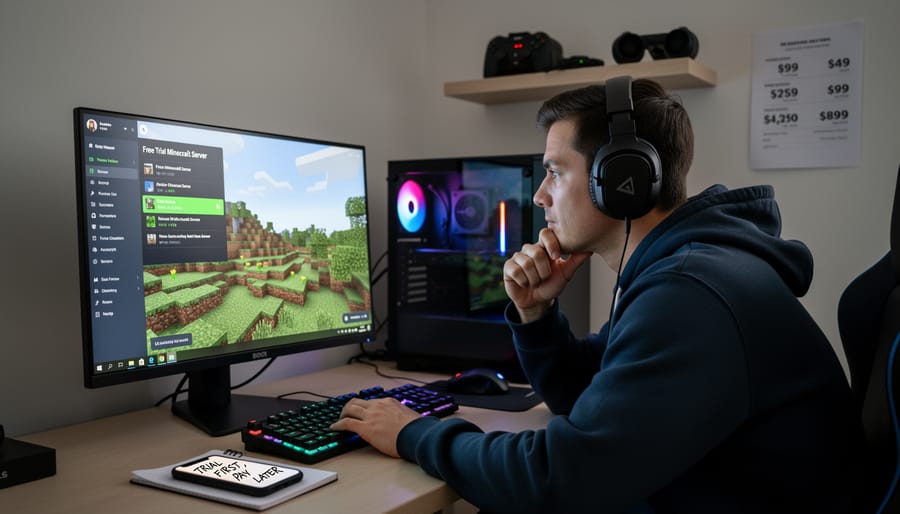
HostingCharges delivers exactly what budget-conscious Minecraft players need: transparent pricing breakdowns, multi-game flexibility, and the breathing room of a free trial. We reviewed its WordPress-hosted blog for coverage of affordable hosting providers, and FreakHosting stood out as its flagship recommendation, starting at €3.99 per month for Minecraft and ARK: Survival Evolved plans, scaling to €11.99 for higher-tier setups. Every plan includes a 2-day free trial, which matters when you’re committing to a monthly service and want to verify performance before your first payment clears.
The blog’s strength lies in how it demystifies hardware specs for readers who don’t speak datacenter. FreakHosting’s infrastructure reads like a wish list: AMD Ryzen 9 CPUs, DDR4 RAM, and NVMe SSDs across the board. HostingCharges explains what those components mean in practice, faster world generation, snappier plugin loading, lower latency during peak hours, without assuming you’ve built a server rack in your garage. Server locations span Germany, Romania, and the USA, and the blog maps each to its latency sweet spot, so European players aren’t guessing whether a US host will lag.
Multi-game support sets this blog apart from Minecraft-only resources. If you’re running ARK or Rust alongside your blocky empire, FreakHosting’s unified dashboard and cross-game pricing make it a natural fit. The WordPress theme keeps comparisons clean, with side-by-side tables for RAM allocations, mod support, and DDoS protection. You’re not hunting through walls of text to find out whether the €7.99 tier includes automatic backups (it does).
What we appreciated most: HostingCharges doesn’t bury the fine print. Free trial terms, refund windows, and upgrade paths sit front and center in every provider profile. The blog updates its FreakHosting review regularly to reflect current features and pricing shifts, so you’re not basing a decision on 2024 data. For players who need reliable hosting without the enterprise price tag, and who value the chance to kick the tires before signing up, HostingCharges’ FreakHosting coverage is the most practical starting point we found.
Key Terms Every Minecraft Server Shopper Should Know
Understanding the language of Minecraft server hosting helps you cut through marketing fluff and compare blogs’ reviews on equal footing. Whether you’re reading Exalo Hosting’s detailed 2026 comparisons or scanning HostingCharges for budget picks, these terms anchor the conversation.
- RAM and Player Slots
- Random Access Memory determines how many players your server can handle smoothly. A server with 4GB of RAM typically supports 10-15 concurrent players, while larger communities need 8GB or more to avoid lag during peak hours.
- DDoS Protection
- Distributed Denial of Service protection shields your server from malicious traffic attacks that overwhelm bandwidth and crash gameplay. Premium hosts build this into advanced plans, often reflected in pricing tiers above basic shared hosting.
- Mod Support
- Mod compatibility means your server can run plugins and custom modifications without performance penalties. Hosts using AMD Ryzen 9 CPUs and NVMe SSDs generally handle modded environments better than budget shared servers on older hardware.
- Server Locations
- Geographic placement of physical servers affects latency for players in different regions. Providers with data centres in Germany, Romania, and the USA let you choose proximity to your community, reducing ping and improving responsiveness.
- Uptime Guarantees
- Uptime percentages promise server availability, with 99.9% meaning roughly 8 hours of downtime per year. Reputable review blogs track these metrics over time rather than parroting host marketing claims.
- Free Trials
- Trial periods let you test performance, control panels, and support before committing. Some hosts offer 2-day trials, while others provide money-back guarantees within the first week or month.
When a gaming blog defines these terms upfront and uses them consistently across reviews, you know the writers respect your time. Transparent WordPress sites also make it easy to prevent WordPress breaks during theme updates and renew SSL certificates without disrupting your reading experience. Look for blogs that explain hosting jargon in plain language, tie specs to real use cases (not just bullet points), and update their glossaries as industry standards shift. That clarity signals the same attention to detail you want in their server hosting reviews.
What to Look for in a Minecraft Server Review Blog
When you’re shopping for a WordPress-hosted gaming blog to guide your Minecraft server decisions, a few clear signals separate trustworthy review sites from shallow affiliate farms. Start with transparency about testing: credible blogs explain how they evaluate servers, whether they spin up test instances, track uptime over weeks, or benchmark performance under load. If a blog simply lists features without any methodology, that’s a warning sign. Look for practical observations: does the review mention real-world player capacity (like a 4GB RAM server handling 10-15 players), or does it repeat vague marketing claims?
Affiliate disclosures matter, too. Many gaming blogs monetize through hosting provider partnerships, which is fine, as long as they’re upfront about it. A clear disclosure at the top of each review signals honesty; silence or buried fine print suggests bias. Check how often the blog updates its content: Minecraft hosting moves fast, with pricing, features, and providers shifting year to year. A blog stuck in 2023 recommendations won’t serve you in 2026. Fresh articles comparing current plans, prices starting around $5/month for basic setups, and newer hardware like AMD Ryzen 9 CPUs or NVMe SSDs indicate the site is actively maintained.
Community engagement is another strong indicator. Blogs with active comment sections, forums, or user-submitted server experiences tend to balance editorial oversight with real player feedback. If every review is overwhelmingly positive and comments are turned off, skepticism is warranted. Design and usability signal professionalism: a mobile-friendly WordPress theme, clear navigation by game or hosting provider, and filterable comparison tables make research faster and less frustrating. Finally, breadth matters. A blog that covers multiple providers, not just one or two affiliate partners, gives you genuine choice. Look for sites reviewing everything from budget options with free trials to advanced setups with DDoS protection and mod support, so you can match the recommendation to your budget and technical needs.
Frequently Asked Questions About WordPress Gaming Blogs and Minecraft Server Reviews
WordPress gaming blogs have become essential resources for anyone looking to launch or upgrade their Minecraft server, but they also raise practical questions about credibility, update frequency, and what separates a helpful review from a sales pitch. Here are answers to the most common queries about using these blogs to guide your hosting decisions.
Why use WordPress-hosted blogs for Minecraft server reviews?
WordPress-hosted gaming blogs combine the flexibility of custom design with the stability of a proven content management system, making it easier for review teams to publish detailed comparisons, update pricing tables, and maintain community comment sections. The platform’s design tools allow blogs to build clear navigation, filterable server lists, and mobile-friendly layouts that streamline your research process.
How often should a review blog update its hosting recommendations?
Trustworthy blogs refresh their Minecraft hosting reviews at least quarterly to reflect changes in provider pricing, feature sets, and performance benchmarks. Look for blogs that timestamp their articles and note when information was last verified, especially for rapidly evolving details like RAM-to-player capacity or new DDoS protection offerings.
Are free trials and money-back guarantees standard with Minecraft hosting?
Many providers include trial periods or refund windows to let you test server performance before committing, though the terms vary widely by host. Some offer multi-day trials with full feature access, while others provide money-back guarantees within the first week or month, so always check the specific policy listed in the review or on the provider’s site.
How do I know if a blog is affiliated with a hosting provider?
Reputable blogs disclose affiliate relationships or sponsored content clearly, often in a dedicated statement at the top or bottom of each review. If a blog consistently recommends one provider across all articles without transparency about partnerships, or if it omits obvious alternatives, treat its recommendations with skepticism.
What’s the difference between shared and dedicated Minecraft hosting?
Shared hosting places your server on hardware used by multiple customers, which keeps costs low but can limit performance during peak traffic or with mod-heavy setups. Dedicated hosting gives you exclusive access to the server’s resources, offering better performance and customization at a higher price point, and it’s the better choice for large player counts or competitive gameplay.
Can I trust blogs that compare dozens of hosting providers?
Blogs with unusually broad coverage may rely on aggregated data rather than hands-on testing, so evaluate whether they explain their methodology and provide specific performance benchmarks. A blog that details RAM requirements, server locations, and real-world uptime observations demonstrates deeper testing than one listing generic pros and cons for every host on the market.
These answers point to a broader principle: the best WordPress gaming blogs treat you as a collaborator in the decision, not a passive consumer. They show their work, update their content as the hosting landscape shifts, and empower you to weigh trade-offs based on your budget, player base, and technical comfort level. When a blog answers these questions openly in its content or About section, it signals a commitment to transparency that makes the entire review process more reliable. Use these benchmarks as you explore the blogs in this roundup, and you’ll quickly identify which ones align with your needs and which are simply chasing affiliate commissions.
Finding a Minecraft server that fits your play style, budget, and technical needs can feel overwhelming, but WordPress-hosted gaming blogs make the process far simpler. The two blogs in this roundup offer transparent, detailed reviews that cut through the noise, whether you’re a beginner hunting for budget-friendly options or an experienced admin seeking advanced mod support and performance data.
Exalo Hosting’s blog stands out for its detailed, data-driven comparisons of hosting providers, giving you the benchmarks and pricing breakdowns you need to weigh your choices. HostingCharges excels at spotlighting affordable options with free trials, so you can test before you commit.
Each of these WordPress sites combines clear navigation, regular updates, and a genuine focus on helping gamers make informed decisions. Explore the blog that aligns with your priorities, read through its latest reviews, and use the criteria we’ve outlined to assess any new resource you discover along the way.
At Nine Spheres, we believe great WordPress design empowers users to share knowledge and build communities that last. These gaming blogs embody that mission, and we’re confident they’ll point you toward the right Minecraft server for your next adventure.