
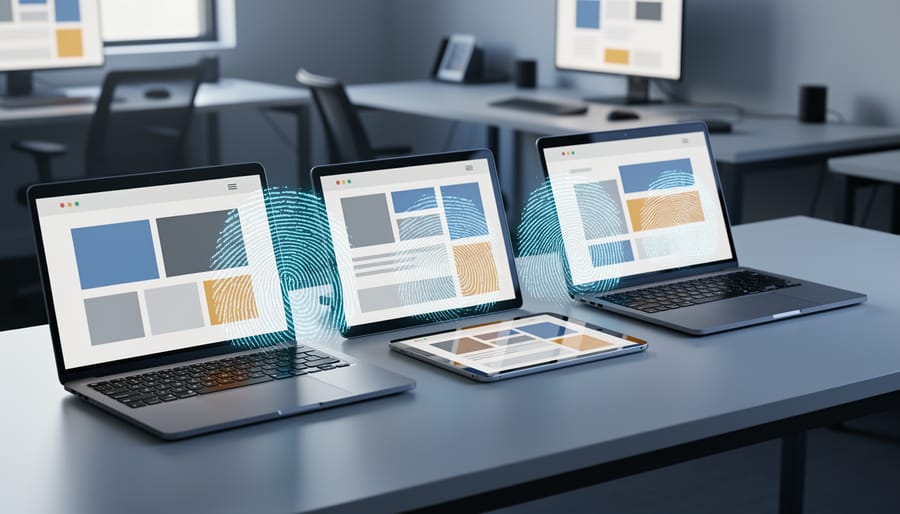
Choose themes with minimal identifying characteristics by selecting designs from different developers rather than recycling the same template across your network. Your theme selection directly impacts whether search engines can connect your sites through matching code signatures, style patterns, and structural fingerprints—a vulnerability that undermines the entire purpose of maintaining separate properties.
Prioritize themes with clean, standard code structures that thousands of legitimate websites already use, making your sites blend into the broader WordPress ecosystem rather than standing out as suspicious clusters. Popular multipurpose themes like GeneratePress, Astra, or OceanWP provide excellent starting points because their widespread adoption creates natural cover, though you’ll need significant customization to differentiate each installation.
Implement substantial visual and structural modifications on every site by adjusting layouts, color schemes, typography, widget placements, and navigation structures. Simply installing different themes isn’t enough—search engines analyze deeper patterns including CSS class names, div structures, and even comment formatting. Our PBN case study revealed that sites using identical themes with minimal customization showed detectable clustering patterns within three months, regardless of different domain registrars or hosting providers.
Remove or customize theme-specific identifiers like generator tags, unique CSS classes, proprietary shortcodes, and footer credits that create matching signatures. Many themes inject distinctive code comments, specific meta tags, or branded scripts that function as digital fingerprints connecting seemingly unrelated sites.
Consider building custom child themes or commissioning unique designs for your highest-value properties, investing resources proportional to the link equity you’re trying to preserve.
The PBN Theme Problem Nobody Talks About
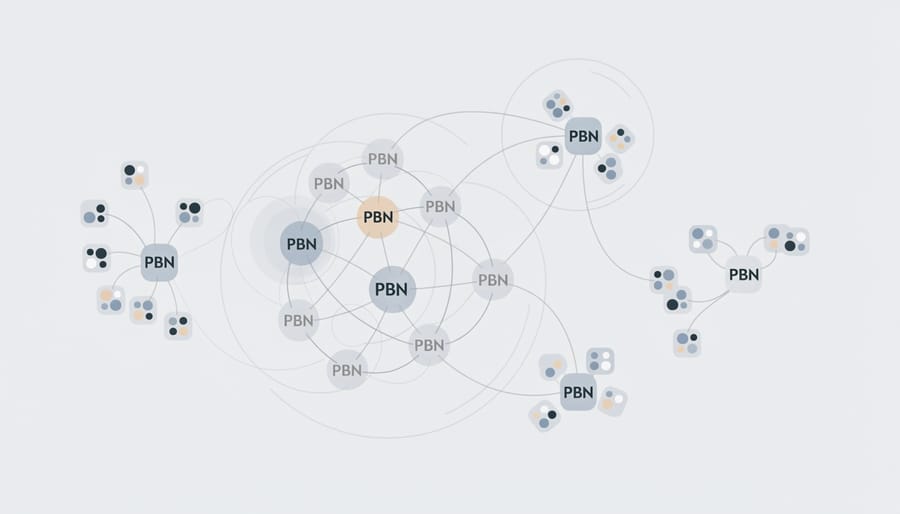
Theme Footprints That Expose Your Network
When building a private blog network, seemingly minor technical details can create patterns that expose your entire operation. Understanding these footprints is essential for protecting your network’s anonymity and effectiveness.
Theme author signatures represent one of the most obvious giveaways. Many themes include identifying information in their footer credits, meta tags, or even within the code itself. If multiple sites in your network display identical author attributions or link back to the same theme developer, search engines can easily connect the dots. This includes copyright notices, developer URLs, and theme version numbers that leave consistent trails across your properties.
CSS classes and unique identifiers pose another significant risk. Theme developers often use distinctive naming conventions for their stylesheets and HTML elements. When the same unusual class names like “mega-header-v3” or “custom-portfolio-grid-2021” appear across multiple domains, it creates an unmistakable pattern. These technical signatures function like digital fingerprints, making it simple to group sites together even when other elements appear different.
Template structures and code organization can also betray network connections. Themes built on the same framework often share identical HTML hierarchies, JavaScript file names, and database query patterns. Even if you modify surface-level design elements, the underlying architecture remains recognizable to sophisticated analysis tools.
Visual consistency presents another challenge. When multiple sites use themes with identical layout patterns, widget configurations, or navigation structures, the similarity becomes apparent to both automated detection systems and human reviewers. This is particularly problematic when using popular premium themes without adequate customization.
The solution lies in embracing diversity and customization. Rather than deploying the same theme across your network, prioritize variation in both technical implementation and visual presentation to maintain your sites’ independence.
What Happens When Your PBN Gets Detected
When search engines detect theme-based footprints across your network, the consequences can significantly impact your SEO efforts. Google’s algorithms are sophisticated enough to identify patterns that suggest manipulation, and once flagged, your entire network becomes vulnerable.
The most immediate consequence is link devaluation. Search engines may discount all backlinks originating from detected PBN sites, essentially nullifying months or years of link-building efforts. Your target sites won’t necessarily receive manual penalties, but they’ll lose the ranking benefits you’ve been cultivating through the network.
In more severe cases, especially when combined with other detectable patterns, your PBN sites may face complete deindexing. This means they disappear from search results entirely, rendering them useless for passing authority. Recovery from deindexing requires substantial effort, often involving site migrations and complete rebranding.
Manual penalties represent the worst-case scenario. If Google’s webspam team reviews your network manually, they may apply penalties to both your PBN sites and the target domains receiving links. These penalties can persist even after you disavow the problematic links, potentially requiring months of clean-up work and reconsideration requests.
The financial impact extends beyond lost rankings. You’ve invested in domains, hosting, content creation, and themes. Detection transforms these investments into liabilities, forcing you to either rebuild with proper footprint diversification or abandon the network entirely.
Essential Features Your PBN Themes Must Have
Diversity in Design and Code Structure
When building a network of sites, making each one look genuinely different is your first line of defense against detection. Think of it this way: if someone visited five different storefronts in your town and they all had identical layouts, color schemes, and signage, you’d immediately suspect they shared ownership. The same principle applies to your PBN sites.
Visual diversity goes beyond simply changing colors or logos. You need meaningful structural differences in how content is presented. One site might feature a full-width hero image with centered text, while another uses a traditional sidebar layout. Consider varying your navigation styles—some sites can have top menus, others might work better with hamburger menus or footer navigation. Mix up your post layouts too: grid-based designs versus traditional blog listings, different featured image placements, and varying typography choices all contribute to authentic uniqueness.
The technical side matters equally. Search engines can analyze the underlying code structure of your sites. Using the same parent theme with minor CSS tweaks creates a recognizable pattern. Instead, rotate between genuinely different theme frameworks. Combine premium themes with quality free options, ensuring each has distinct code architecture. Pay attention to class naming conventions, HTML structure, and even the order of stylesheet loading.
Here’s a practical approach: create a spreadsheet documenting each site’s theme choice, primary colors, layout style, and framework type. This prevents accidental duplication and helps you maintain authentic variety. Aim for no two sites in your network to share obvious visual or structural similarities. This investment in diversity pays dividends by keeping your network under the radar while maintaining professional quality across all properties.
Clean, Minimal Code That Loads Fast
Speed matters more than you might think when building a credible PBN. Lightweight themes signal professionalism to visitors while keeping your sites under the radar. Bloated frameworks loaded with unnecessary features create slow load times that frustrate users and raise red flags with search engines.
Choose themes with clean codebases that prioritize performance over flashy add-ons. Look for minimal CSS and JavaScript files, efficient database queries, and streamlined layouts. These technical elements improve user experience while maintaining the authentic appearance of independent websites.
Beyond meeting theme compliance requirements, fast-loading themes help you build trust. Real businesses care about their website performance, so your PBN sites should too. Take time to optimize images and remove unnecessary plugins that slow things down.
Remember, bloated page builders and complex frameworks often leave identifiable patterns in your source code. Simpler themes give you better control over customization while maintaining the diversity necessary for network security. Focus on functionality that serves your content strategy rather than collecting features you’ll never use.
Customization Flexibility Without Fingerprints
The real power in protecting your PBN lies in your ability to transform themes into genuinely unique properties. Think of it this way: two houses built from the same blueprint can look entirely different with varied paint colors, landscaping, and interior design choices. The same principle applies to WordPress themes.
Quality themes designed with flexibility in mind offer multiple layers of customization that go far beyond simple color changes. You can modify typography combinations, adjust spacing and layout proportions, reconfigure header and footer arrangements, and even restructure content displays. These deep customization options let you create variations that appear completely unrelated while maintaining the professional polish your network needs.
The key is selecting themes that provide granular control without requiring coding knowledge. Look for comprehensive customizer options, multiple widget areas, flexible layout systems, and extensive styling controls. This accessibility empowers you to make meaningful changes quickly across your network without leaving technical fingerprints in custom code.
When you can adjust every visual element, from button styles to navigation patterns, you create authentic diversity that mirrors the natural variety found across independent websites. This isn’t about making sites look amateurish to avoid detection—it’s about leveraging professional tools to build genuinely distinct properties that serve their audience effectively.
Remember that customization extends beyond aesthetics. Thoughtful variations in functionality, content organization, and user experience contribute to uniqueness just as much as visual elements. By combining design flexibility with strategic differentiation, you build a network that’s both resilient and genuinely valuable to visitors.
Smart Theme Selection Strategies for Your Network
The Mix-and-Match Approach
The most effective approach to protecting your network involves strategic theme diversification across your entire portfolio. Rather than selecting a single theme family or framework for all your sites, create deliberate variety by mixing different solutions in ways that appear natural and unconnected.
Start by categorizing your PBN sites into distinct groups based on their supposed niches or purposes. Assign different theme families to each group—perhaps use GeneratePress for some lifestyle blogs, Astra for business sites, and OceanWP for creative portfolios. Within each category, vary the specific designs, color schemes, and layouts to add another layer of distinction.
Consider alternating between different framework types throughout your network. Mix page builder-compatible themes with traditional block editor themes, and include some classic themes that don’t rely on modern frameworks at all. This variation in underlying architecture creates authentic diversity that mirrors how real website owners make independent decisions.
Pay attention to your acquisition patterns as well. Avoid purchasing multiple premium theme licenses from the same marketplace on the same date or using the same payment method. Spread purchases across different vendors and timeframes, just as genuine site owners would naturally discover and adopt themes at different moments.
The key is avoiding any recognizable pattern. If someone were to analyze your network, they should see what appears to be completely independent sites built by different people with different preferences, budgets, and design sensibilities. This authentic randomness is your strongest defense against detection.
Customization Techniques That Break the Pattern
Making thoughtful modifications to your WordPress themes is essential for creating unique digital fingerprints across your network. The good news is that you don’t need to be a coding expert to implement effective customization techniques that genuinely differentiate your sites.
Start with layout variations by adjusting your sidebar positions, header configurations, and footer arrangements. Most modern themes offer these options through the customizer, allowing you to place navigation menus in different locations or switch between full-width and boxed layouts. These structural changes create distinct visual patterns that help each site stand apart.
Color schemes provide another powerful differentiation tool. Move beyond simply changing your primary brand color by creating complete custom palettes that affect backgrounds, text, links, and accent elements. Consider how colors interact throughout your entire site, from buttons to blockquotes, ensuring each property has its own cohesive yet unique identity.
Typography choices significantly impact how visitors perceive your site. Mix and match font pairings differently across your network, varying both heading and body text selections. Google Fonts offers hundreds of free options, so experiment with serif and sans-serif combinations. Adjust font sizes, line heights, and letter spacing to further distinguish each property.
Widget configurations and placement deserve equal attention. Vary which widgets appear in your sidebars and footers, change their order, and customize their styling. One site might feature a search bar prominently while another prioritizes social media links or recent posts.
Don’t overlook smaller details like button styles, form designs, and image treatments. Rounded versus square corners, shadow effects, and border styles all contribute to creating authentic, individual site personalities. The key is making these changes consistently across each property while ensuring every modification serves a genuine purpose for your visitors.
Avoiding Common Theme-Related Mistakes
Even experienced PBN operators occasionally stumble into avoidable traps that can compromise their network’s effectiveness. One of the most common mistakes is leaving default theme settings unchanged. When multiple sites display identical default color schemes, typography, or sidebar configurations, search engines can easily recognize the pattern. Take time to adjust each theme’s fundamental settings to create distinct visual identities.
Another frequent pitfall involves using the same child theme across multiple sites in your network. While child themes offer wonderful customization flexibility, deploying identical versions defeats the purpose of diversification. Instead, create unique child themes for each property or modify existing ones with different CSS rules, layout variations, and widget arrangements.
Plugin consistency presents similar risks. Installing the exact same plugin lineup across your network creates a detectable fingerprint. Vary your plugin selections thoughtfully—some sites might use Jetpack while others rely on individual plugins for similar functionality. Even when you need specific features across multiple sites, consider different plugins that accomplish the same goal.
Many operators also overlook the importance of updating themes at different intervals. Synchronized updates across your network signal centralized management. Stagger your theme updates naturally, and avoid batch-updating everything on the same day. This approach mimics how independent site owners would realistically maintain their properties.
Remember, authenticity comes from embracing variation. Each site in your network should feel genuinely independent, with its own personality and maintenance rhythm. These small distinctions accumulate into powerful protection against detection.
Building Authentic-Looking Sites That Stand Alone

Matching Themes to Your Site’s Purpose
Choosing the right theme for each PBN site goes beyond aesthetics—it’s about creating an authentic digital presence that matches your intended niche and audience. Think of each site as having its own personality and purpose, requiring a theme that naturally aligns with that identity.
Start by defining the site’s profile before browsing themes. Ask yourself: Who would realistically own this site? What industry or topic does it cover? Is it a personal blog, a small business site, or an informational resource? A food blog should look distinctly different from a tech review site or a local service provider’s page. This foundational clarity prevents mismatches that can undermine credibility.
Consider the visual expectations of your chosen niche. Professional industries like finance or legal services typically favor clean, minimalist designs with traditional layouts. Creative fields like photography or design can embrace more artistic, visually bold themes. Matching these unspoken expectations helps your site blend naturally into its competitive landscape.
Pay attention to the supposed owner’s technical sophistication level. A small local business owner wouldn’t likely implement an elaborate, feature-heavy theme with advanced functionality. Similarly, a hobbyist blogger’s site should reflect realistic limitations rather than professional-grade polish. This authenticity extends to customization choices too—align your decisions with what your fictional site owner would realistically implement, considering factors like hosting considerations and technical resources.
Remember, the goal is creating believable diversity across your network while maintaining quality and relevance within each individual site’s context.
The Details That Make Sites Look Real
Authentic websites share common visual elements that signal credibility to both visitors and search engines. Start with custom logos that reflect diverse brand identities rather than using placeholder graphics or identical designs across your network. Each site should feature unique footer content including original copyright notices, distinct contact information, and varied navigation menus that match the site’s specific purpose.
Layout variation matters significantly. Mix up sidebar placements, header styles, and homepage structures across your network. Some sites might benefit from full-width layouts while others work better with boxed designs. Color schemes should differ meaningfully, avoiding the temptation to simply swap out primary colors while keeping identical structural elements.
Beyond visual design, technical details contribute to authenticity. Ensure each site has proper security measures including SSL certificate renewal protocols in place. Add genuine-looking about pages, privacy policies, and terms of service pages with customized content rather than templated text. Consider implementing different widget combinations in sidebars and unique calls-to-action that align with each site’s apparent niche. These thoughtful touches create the impression of independently developed websites rather than network properties.
Maintaining Your PBN Themes Over Time
Update Management Without Creating New Footprints
Keeping your themes updated is essential for security, but automatic updates can create identical patterns across your network. The key is implementing a strategic WordPress update management approach that preserves diversity while maintaining site health.
Start by staging updates on a single test site before rolling them out network-wide. This allows you to verify compatibility and make necessary customizations before applying changes broadly. When updating, stagger the rollout across your sites over several weeks rather than updating everything simultaneously, which prevents sudden identical changes across your network.
Consider maintaining slightly different versions of the same theme across different sites by customizing update schedules. While this requires more hands-on management, it helps maintain the natural variation that exists in legitimate websites. You can also use child themes with different modifications on each site, ensuring that even with parent theme updates, each installation retains unique characteristics.
Document your customizations carefully so you can reapply them after updates. This workflow protects your diversity strategy while keeping your sites secure and functional.
When to Refresh or Replace PBN Themes
Recognizing when to refresh your PBN themes helps maintain your network’s effectiveness while minimizing detection risks. If a theme becomes too popular within SEO circles or gets flagged in common footprint analyses, it’s time to switch. Monitor whether multiple sites in your network share identical visual patterns—even with different themes, similar layouts can create recognizable signatures.
Consider rotating themes every 12-18 months on a staggered schedule, never updating all sites simultaneously. This mirrors natural website evolution where real businesses periodically refresh their design. Pay attention to outdated design elements that make sites look abandoned; themes using modern CSS frameworks and current design trends appear more legitimate.
When replacing themes, approach it strategically. Change one site at a time over several weeks or months, maintaining different visual identities across your network. Choose replacement themes from different developers with distinct coding styles and structural approaches. Always preview changes on staging environments to ensure proper functionality before going live.
The key is balance—stay current enough to appear authentic but diverse enough to avoid patterns. Remember that real website owners update their designs for various reasons and timelines, so your PBN should reflect this natural variation in maintenance schedules and design choices.
Your success with a private blog network ultimately rests on the foundation you build, and theme selection is one of the most critical elements of that foundation. While it might be tempting to rush through this decision or opt for the quickest solution, thoughtful theme selection and strategic customization will protect your investment for years to come.
Remember that search engines grow more sophisticated every day, but the principles we’ve covered remain constant. Diversity matters, but it must be authentic diversity. Customization isn’t just about changing colors and fonts—it’s about creating genuinely unique digital properties that serve real value to visitors while supporting your broader marketing goals.
You now have the knowledge to make informed decisions about theme acquisition, the criteria to evaluate potential options, and the customization strategies that separate amateur networks from professional operations. The key is to take action with intention. Start by auditing your current network if you have one, or plan your theme strategy before launching new properties.
Don’t let the technical aspects overwhelm you. Every successful PBN operator started exactly where you are now, learning these principles and applying them methodically. Focus on building sites that you’d be proud to show visitors, because that mindset naturally leads to the kind of quality and uniqueness that keeps your network safe and effective. Your commitment to doing this right will distinguish your PBN from countless others and deliver the results you’re seeking.